The cursor blinked mockingly at the empty caption field. Another day, another post that needed creating. After eighteen months of consistent content creation—planning shoots, editing photos, crafting captions, researching hashtags—the creative well had run completely dry. The thought of staging another photo session felt exhausting rather than exciting.
This is how burnout actually looks: not dramatic collapse, but quiet erosion of enthusiasm. The passion that once drove daily posting had been replaced by obligation. Social media had transformed from creative outlet to unpaid second job, demanding constant output with diminishing returns.
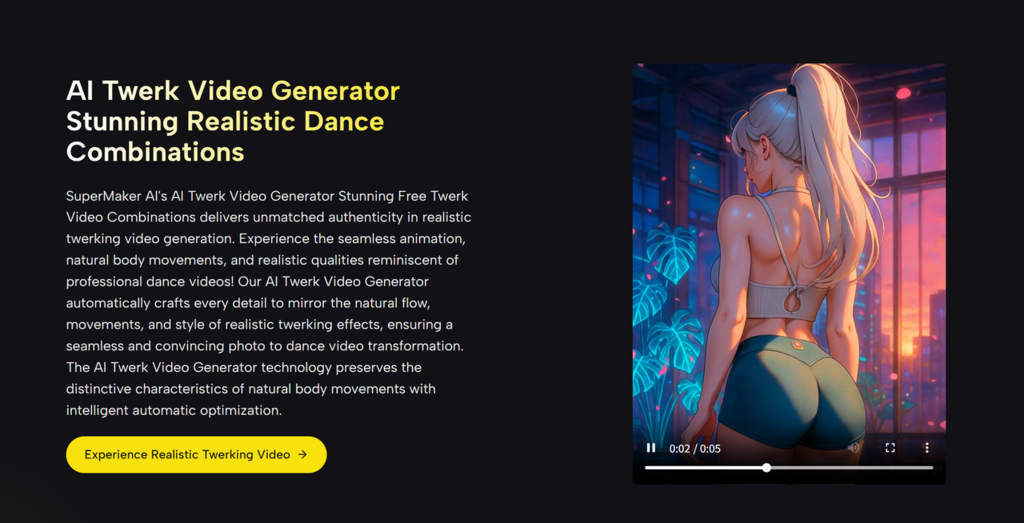
During one particularly uninspired evening, a friend sent a link with the message: "This might help when you're stuck." The tool was an AI Twerk Generator that transformed static photos into dance videos. The initial reaction was skepticism—another gimmick promising to solve problems it couldn't possibly understand.
But desperation breeds experimentation. An old photo from last summer was uploaded without much expectation. Thirty seconds later, a surprisingly entertaining video appeared. It wasn't groundbreaking, but it was content that required almost no creative energy to produce. For someone experiencing genuine burnout, that mattered more than artistic merit.
Content creator burnout rarely gets discussed honestly. The narrative focuses on success stories—accounts that grew, strategies that worked, creators who "made it." What gets ignored is the psychological toll of constant content production on people who aren't professional creators but feel pressured to act like they are.
The demands are relentless: post consistently, engage authentically, stay current with trends, respond to comments, analyze metrics, adjust strategy. For professionals with full-time jobs, families, and actual lives outside social media, these demands create unsustainable pressure.
Research on creator burnout shows concerning patterns. A 2024 study found that 68% of regular content creators report feeling "exhausted" by content demands, while 54% have considered abandoning their accounts entirely. The pressure isn't just about posting—it's about maintaining authenticity while performing for an algorithm that constantly changes its preferences.
Photography requires creative energy. Staging photos, finding good lighting, editing images, writing meaningful captions—these tasks demand mental resources. When those resources are depleted by work stress, personal challenges, or simple exhaustion, the content creation machine grinds to a halt.
AI content generation tools succeed not because they're revolutionary, but because they reduce decision fatigue. Instead of planning, shooting, and editing, creators can upload existing photos and receive usable content within seconds. The appeal isn't quality—it's the dramatic reduction in required creative energy.
The reduction in decision-making matters significantly. Burnout stems not just from time investment but from the cumulative weight of constant micro-decisions. AI tools eliminate most of those decisions, offering a path to maintaining presence without depleting remaining creative reserves.
The experiment wasn't planned as research—it was survival strategy. For thirty days, AI-generated videos became the primary content format, not because of strategic brilliance but because nothing else felt manageable.
The Approach:
This wasn't optimal strategy. It was sustainable strategy for someone experiencing genuine burnout.
Surprisingly, engagement didn't collapse. In some metrics, it actually improved:
Comparison to Pre-Burnout Performance:
The data suggested something counterintuitive: reduced effort didn't necessarily mean reduced results. The algorithm rewarded video format regardless of how that video was created. Audience engagement remained stable because followers cared more about consistent presence than production quality.
More important than metrics was the mental shift. Posting stopped feeling like an overwhelming obligation. The pressure to create something impressive every few days lifted. Social media became manageable again—not exciting, but not exhausting either.
Several unexpected observations emerged:
Reduced Perfectionism: Without investing hours in content creation, there was less emotional attachment to performance. A post that underperformed didn't feel like wasted effort because minimal effort had been invested.
Lower Anxiety: The fear of "falling behind" or "losing momentum" decreased. Maintaining presence became possible without sacrificing mental health or personal time.
Authentic Transparency: Captions became more honest. "Made this with AI because I'm exhausted" resonated more with audiences than carefully crafted inspirational messages ever had.
Community Connection: Several followers messaged privately sharing their own burnout experiences. The vulnerability created connection that polished content never achieved.
Conversations with other creators revealed a pattern: many people using AI content tools aren't chasing growth—they're avoiding collapse.
The Parent Returning to Work: A mother of two young children uses AI videos to maintain her small business social presence. "I have maybe 20 minutes daily for social media. AI tools let me stay visible without sacrificing time with my kids or sleep."
The Chronic Illness Creator: Someone managing a chronic health condition explained: "On bad days, I can't do photo shoots or video editing. AI tools mean I can still post something when I have energy for nothing else."
The Career Transitioner: A professional changing industries uses AI content to maintain personal brand visibility. "I'm focused on job searching and skill development. AI content keeps my account active without distracting from priorities that actually matter right now."
The Grief-Stricken Creator: After a family loss, one creator used AI tools to maintain account activity. "People expected me to keep posting. I couldn't explain what I was going through to everyone. AI content let me maintain appearances while I dealt with private pain."
These aren't stories of optimization or growth hacking. They're stories of survival—using available tools to maintain presence during periods when traditional content creation feels impossible.
After a month of burnout-driven AI content usage, several truths became clear:
AI Tools Are Bridges, Not Destinations: They help maintain presence during difficult periods, but they're not long-term solutions for sustainable content strategy. Eventually, creative energy returns, and authentic content creation becomes possible again.
Reduced Effort Has Limits: While AI videos require less creative energy, they still require some effort—finding photos, generating multiple versions, selecting results, writing captions. They're not zero-effort solutions.
Audience Tolerance Varies: Some followers appreciated transparency about using AI tools. Others felt disappointed by reduced authenticity. The response depends heavily on audience expectations and account positioning.
Burnout Requires Real Solutions: AI tools can reduce immediate pressure, but they don't address underlying causes of burnout—unrealistic expectations, poor boundaries, lack of sustainable strategy, or deeper life stressors requiring attention.
AI Video Generator Agent didn't cure content creator burnout. They provided temporary relief—a way to maintain minimal presence without complete collapse. That's valuable, but it's not transformative.
The real lesson wasn't about AI capabilities. It was about recognizing when perfectionism and pressure had made content creation unsustainable. AI tools offered permission to lower standards temporarily, to prioritize mental health over metrics, to maintain presence without sacrificing wellbeing.
For creators experiencing genuine burnout, AI content generation serves a specific purpose: it's a pressure valve. It allows continued visibility while recovering creative energy and rebuilding sustainable practices.
The tool itself is neither solution nor problem—it's simply an option. One that reduces cognitive load, lowers barriers to posting, and provides breathing room during difficult periods.
For anyone feeling exhausted by content demands, the message isn't "use AI tools." It's "recognize burnout, adjust expectations, use whatever tools help maintain boundaries." Sometimes that's AI generation. Sometimes it's posting less frequently. Sometimes it's taking a complete break.
Social media will survive if posting stops for a while. Mental health might not survive if the pressure continues indefinitely. AI tools can help bridge the gap, but only as part of a larger strategy that prioritizes sustainability over performance.
The cursor still blinks at empty caption fields sometimes. But now there's a tool that makes those moments less paralyzing—not because it creates brilliant content, but because it creates adequate content when that's all the energy available. And sometimes, adequate is exactly enough.