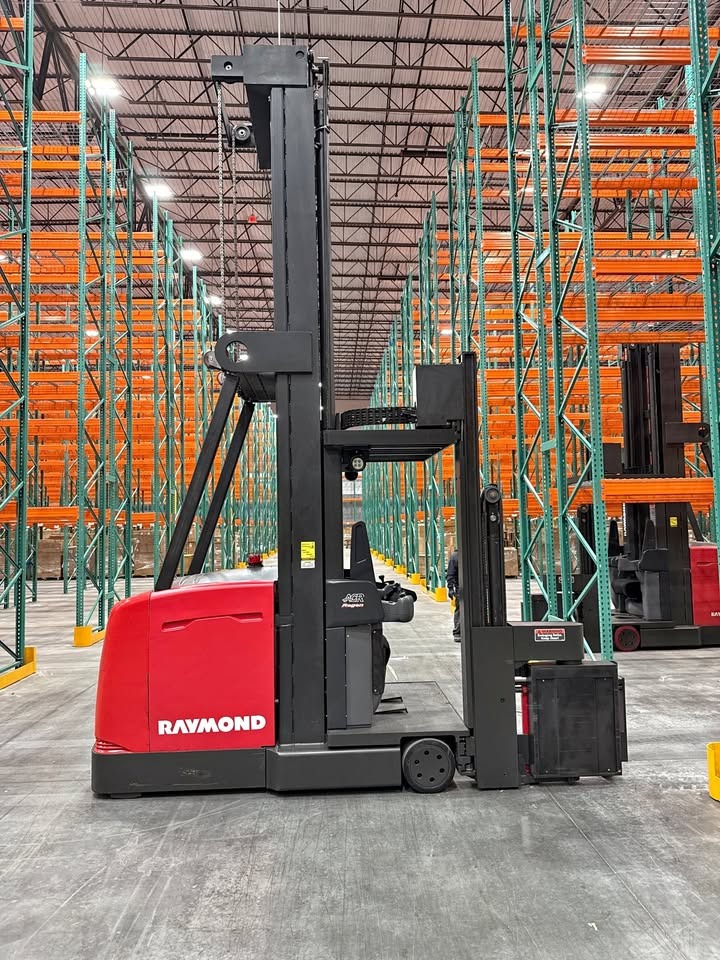
Forklifts are the workhorses of warehouses, distribution centers, and manufacturing facilities worldwide. These powerful machines handle thousands of pounds daily, making their proper maintenance not just a matter of efficiency, but of safety and cost-effectiveness. Whether you're operating electric, propane, or diesel-powered units, establishing a comprehensive maintenance program is crucial for maximizing equipment lifespan and minimizing unexpected downtime.
Regular forklift maintenance encompasses several critical areas that demand consistent attention. Daily pre-operation inspections form the cornerstone of any maintenance program. Operators should check fluid levels, tire condition, brake function, and steering responsiveness before beginning their shifts. These quick inspections, typically taking only five to ten minutes, can identify potential problems before they escalate into costly repairs or dangerous situations.
Hydraulic systems require particular vigilance. The hydraulic fluid powers the lifting mechanism, and any leaks or contamination can compromise lifting capacity and create safety hazards. Operators should inspect hoses for wear, cracks, or bulging, and check cylinders for leaks. Maintaining proper fluid levels and changing hydraulic oil according to manufacturer specifications prevents system degradation and ensures smooth operation.
The mast assembly, which enables vertical lifting, demands regular lubrication and inspection. Chains, rollers, and pivot points must remain properly lubricated to prevent excessive wear. Operators should listen for unusual sounds during lifting operations, as grinding or squealing noises often indicate inadequate lubrication or worn components requiring replacement.
For electric forklifts, battery maintenance represents a critical responsibility. Proper charging practices extend battery life significantly. Batteries should never be allowed to discharge completely, and operators should avoid opportunity charging—plugging in for brief periods throughout the day—as this practice reduces overall battery lifespan. Instead, batteries should be charged during scheduled breaks or shift changes, allowing them to complete full charging cycles.
Battery water levels require weekly checks, with distilled water added as needed to maintain proper electrolyte levels. Terminals and cables should be cleaned regularly to prevent corrosion, which can impede electrical flow and reduce performance. For propane-powered units, inspecting fuel lines, connections, and tanks for leaks is equally important for safe operation.
Forklift tires endure tremendous stress, supporting heavy loads while navigating rough surfaces and tight turns. Worn tires compromise stability and increase the risk of accidents. Pneumatic tires should be checked for proper inflation, punctures, and tread depth. Solid rubber tires, while more durable, still wear down over time and should be replaced when they've lost significant height or show chunking and cracking.
When sourcing replacement components, quality matters tremendously. Raymond forklift parts represent industry-leading standards for reliability and performance. Using genuine manufacturer parts ensures proper fit, optimal performance, and maintained warranty coverage. While aftermarket alternatives might seem cost-effective initially, they often fail prematurely, resulting in additional downtime and repair expenses that negate any initial savings.
Beyond daily inspections, forklifts require scheduled maintenance at regular intervals. Monthly services typically include more thorough inspections of brakes, steering systems, and electrical components. Quarterly maintenance might involve changing engine oil and filters, inspecting the transmission, and performing load tests to verify lifting capacity remains within specifications.
Annual comprehensive inspections should be conducted by certified technicians who can identify wear patterns and potential failures before they occur. These detailed examinations include disassembly of critical components, measurement of wear tolerances, and replacement of parts approaching the end of their service life.
Maintaining detailed maintenance records proves invaluable for tracking equipment history, planning future maintenance, and demonstrating compliance with safety regulations. Documentation should include dates of service, work performed, parts replaced, and technician notes. This information helps identify recurring problems, supports warranty claims, and provides valuable data for determining when equipment should be retired or replaced.
While maintenance requires investment in time and resources, the return on investment is substantial. Properly maintained forklifts experience fewer breakdowns, operate more efficiently, and last significantly longer than neglected equipment. Unexpected failures during peak operations can halt productivity and create dangerous situations. Preventive maintenance transforms these unpredictable events into scheduled, manageable activities.
Forklift maintenance is not optional—it's an essential component of safe, efficient operations. By implementing comprehensive daily inspections, following manufacturer maintenance schedules, and using quality replacement parts, organizations protect their investment while ensuring operator safety. The discipline of regular maintenance, combined with proper training and quality components like Raymond forklift parts, creates a foundation for reliable material handling operations that support business success for years to come.