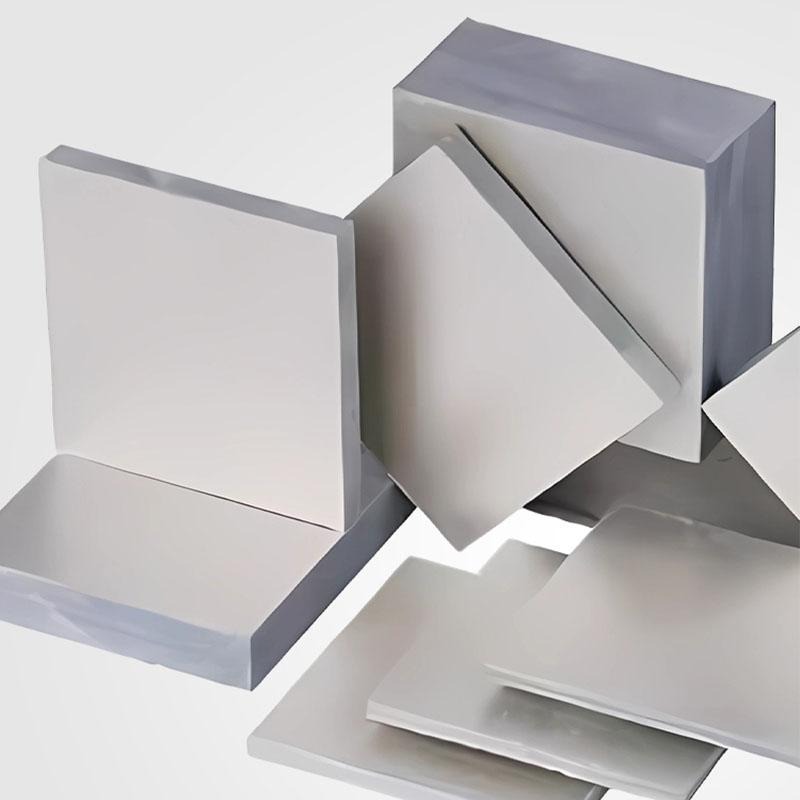
Mica sheets are widely used in various industries primarily due to their excellent thermal insulation, electrical resistance, and mechanical properties. When it comes to applying adhesive to mica sheets, two primary options are available: single-sided adhesive mica sheets and double-sided adhesive mica sheets. Understanding the differences between these two types of mica sheets is crucial for selecting the right material for your specific needs. This article will explore their characteristics, applications, and key differences.
Mica sheets are thin layers of mica mineral used for insulation and protection in a variety of industries, including electrical, automotive, aerospace, and cosmetics. Mica is valued for its ability to withstand high temperatures and its electrical insulating properties, making it an ideal choice for applications where safety is paramount.
Single-sided adhesive mica sheets feature adhesive applied to one side of the mica sheet. This type of mica sheet is engineered for specific applications where bonding is only required on one surface. The adhesive used varies, but it is typically high-temperature resistant, allowing it to perform well in demanding environments.
Single-sided adhesive mica sheets are commonly used in applications where it is necessary to adhere the mica sheet to a substrate while leaving the other side free to interact with other materials. Typical applications include:
Double-sided adhesive mica sheets contain adhesive on both sides. This configuration allows for adhesion to two different surfaces simultaneously. The adhesive used is similarly high-temperature resistant, ensuring that it maintains its effectiveness even under extreme conditions.
Double-sided adhesive mica sheets are versatile and find application in several areas:
The primary difference lies in the adhesion surface: single-sided sheets have adhesive on just one side, while double-sided sheets have adhesive on both sides. This feature determines how the mica sheets will be used in practical applications.
Double-sided adhesive mica sheets offer greater versatility since they can bond to two different surfaces, making them suitable for more complex applications. In contrast, single-sided sheets are limited to applications requiring adhesion on only one side.
Single-sided adhesive mica sheets are generally easier to install, particularly when applying them to a surface where only one side needs to be bonded. Double-sided sheets may require more careful alignment during installation to ensure proper adhesion on both sides.
Single-sided adhesive mica sheets tend to be more cost-effective than their double-sided counterparts, given that they require less adhesive material. However, the overall cost-efficiency will depend on the specific application and the number of sheets required.
Both types of mica sheets can perform well in high-temperature environments, but double-sided adhesive sheets may provide a stronger bond in situations where mechanical stress is involved.
Understanding the differences between single-sided adhesive mica sheets and double-sided adhesive mica sheets is crucial for selecting the right product for your application. Each type serves distinct purposes and offers unique benefits depending on the requirements of your project.
For those involved in electrical insulation, automotive manufacturing, or any application where high-performance materials are essential, selecting the appropriate mica sheet can significantly affect safety and efficiency. By assessing the specific needs of your project, you can make an informed decision on whether single-sided or double-sided adhesive mica sheets are the best choice for your application.
For more information on high-quality mica sheets, consider exploring reputable suppliers who specialize in providing tailored solutions to meet your needs.