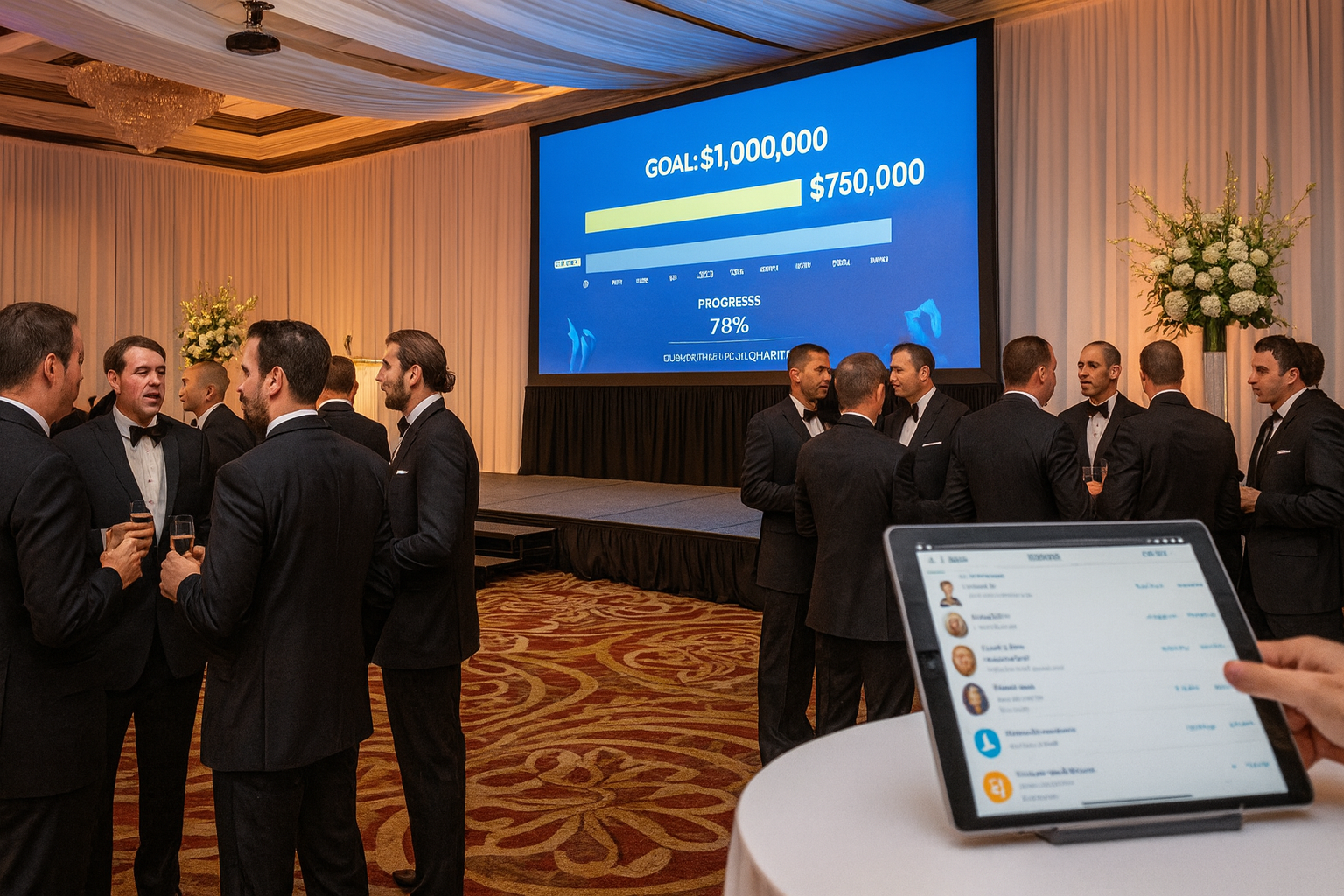
Corporate leaders don’t need longer reports; they need clear, comparable metrics and a workflow that holds up under scrutiny. This page lays out a practical measurement system for fundraising ideas run inside large organizations—so you can track what matters, report it simply, and stand behind the numbers.
Keep the portfolio wide but the dashboard tight. Standardize these four metrics across every initiative:
Why four? A small set reduces noise, enables apples-to-apples comparisons, and speeds governance decisions. You can add program-specific indicators, but these four should appear on every quarterly page.
Consistency is credibility. Align KPI definitions to established standards—for example, the B4SI Community Investment Framework for inputs/outputs/outcomes and CECP’s Giving in Numbers for common benchmarks. This keeps terminology familiar to finance, audit, and ESG reviewers, and it simplifies year-over-year analysis.
Practical move: maintain a one-page Metrics Glossary that includes formulas, inclusion/exclusion rules, data owners, and update cadence. Link it in every report.
A credible report depends on repeatable data handling. Use this light-weight pipeline:
Executives want the signal, not the saga. Use a single-slide dashboard with:
Place deeper tables (department, site, or campaign breakdowns) in an appendix. This structure keeps the narrative tight while allowing stakeholders to drill down as needed.
Metrics only matter if they change choices. Create thresholds that trigger action:
Document each trigger and action in your governance notes so stakeholders see the accountability loop.
Ask nonprofit partners for program-level outcomes aligned to your KPIs and for a short method note (how the outcome was measured). Pair this with a lightweight due-diligence checklist—governance, transparency, use of funds, mission fit, and controversy scan—so your numbers rest on vetted relationships. When partners can’t supply outcomes yet, capture interim outputs with a plan and timeline to upgrade.
Different activities do different jobs. Classify each initiative before launch:
This lets you defend the mix: you didn’t “miss dollars” on a participation maximizer; it did the job you hired it for.
Day 0–30 (pilot): pick one participation maximizer and one match-led cash drive. Instrument sign-ups, completions, and giving source codes.
Day 31–60 (scale): templatize emails/Slack copy, add a progress bar, and enable auto-submission for matching gifts.
Day 61–90 (governance): run the dashboard, compare to thresholds, and decide: iterate, expand, or retire.
Need proven formats to plug into this measurement system? Explore practitioner-curated fundraising ideas and filter for low-lift, match-friendly, and hybrid-ready options. Select the smallest number of formats that cover your KPI priorities; fewer, well-run programs beat a crowded calendar every time.
Credible measurement starts with clear definitions, a repeatable pipeline, and a tight dashboard. Align to recognized standards, test formats deliberately, and let thresholds guide decisions. The result is a portfolio of fundraising ideas that employees join—and outcomes your executives can defend.